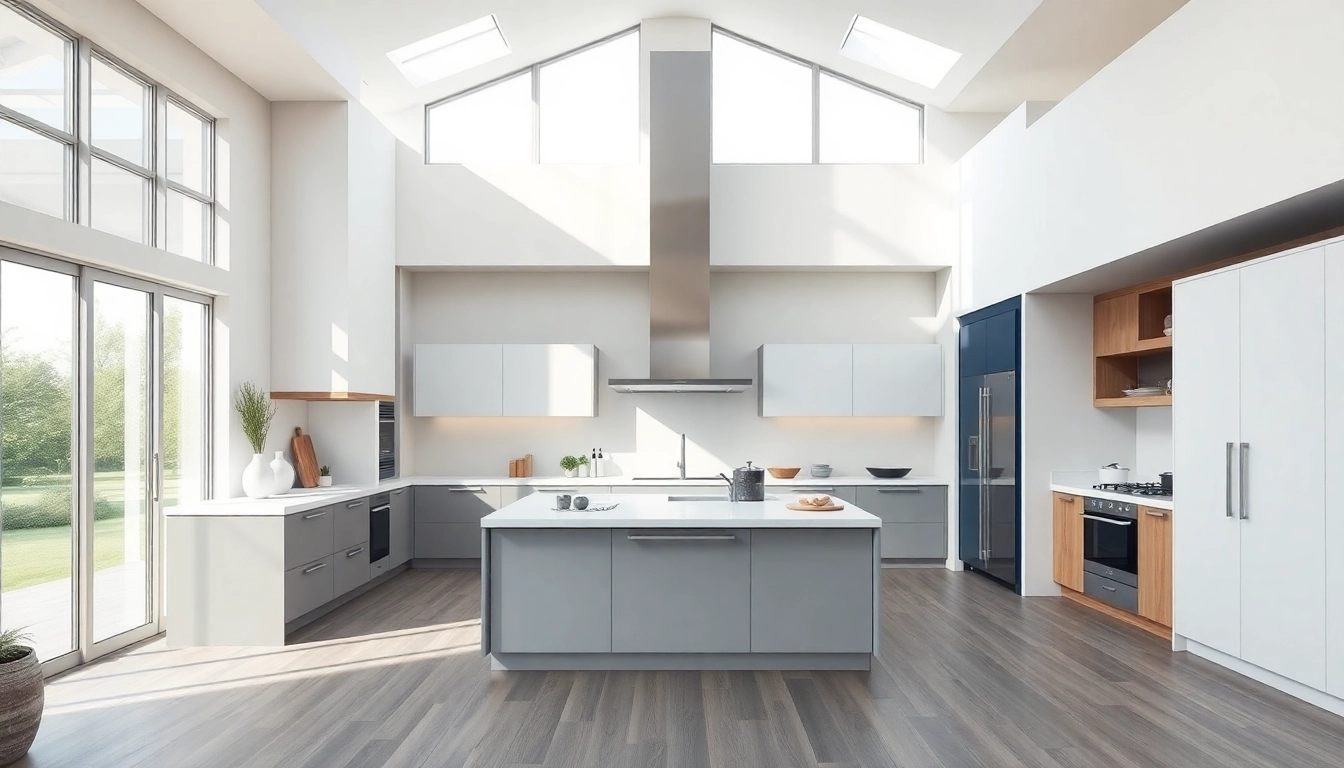
Understanding the Essentials of Kitchen Remodeling
Kitchen remodeling is a significant undertaking that goes beyond mere aesthetics. It is an investment that increases the value of your home while enhancing functionality and comfort. By focusing on kitchen remodeling, homeowners can create a space that meets their needs and reflects their personality.
Key Benefits of Kitchen Remodeling
There are myriad benefits to renovating your kitchen, including:
- Increased Home Value: A beautifully remodeled kitchen can significantly increase your home's real estate value. It’s one of the most vital areas potential buyers look at.
- Improved Functionality: Customized storage solutions, updated layouts, and new appliances can enhance how your kitchen operates, making meal prep more enjoyable.
- Energy Efficiency: New appliances and fixtures often come with improved energy ratings, leading to lower utility bills.
- Aesthetic Appeal: An updated kitchen is visually satisfying, allowing you to create an inviting environment for family and friends.
- Enhanced Safety: Upgrading unsafe or outdated wiring, plumbing, and appliances can help prevent hazards.
Common Challenges and Solutions
While kitchen remodeling offers many rewards, it also presents several challenges:
- Budget Overruns: Costs can escalate quickly. To mitigate this, set a strict budget and account for a contingency fund (approximately 10-15% of your overall budget).
- Time Delays: Projects may get delayed due to unforeseen circumstances. Establish a clear timeline and maintain open communication with your contractor to stay updated.
- Design Mistakes: Failing to plan adequately can lead to design flaws. Consult with a professional designer to create a cohesive and functional vision for your kitchen.
Planning Your Kitchen Remodeling Project
Effective planning is key to a successful remodel. Follow these steps:
- Establish your goals and identify the key problems with your current kitchen.
- Research design ideas that align with your interests and requirements.
- Build a project timeline that accommodates your lifestyle.
- Gather multiple quotes from contractors to find a reliable partner.
- Finalize your design plans and secure permits as necessary.
Budgeting for Your Kitchen Remodeling
Estimating Costs and Budgeting Tips
Understanding kitchen remodeling costs is crucial for effective budgeting. Here are essential elements to consider:
- Cabinetry: This can account for 30-40% of the total kitchen remodel budget.
- Countertops: Depending on the material, costs can vary significantly. Budget wisely according to your preferences.
- Appliances: Consider energy-efficient options that can save you money in the long run.
- Labor: Hiring professionals can add to the budget, so it's essential to evaluate contractors' rates carefully.
One effective budgeting tip is to use a spreadsheet to track costs and compare estimates from different contractors. This will ensure that your spending stays aligned with your budget.
Finding the Right Financing Options
Financing your kitchen remodel can often be a complex process. Below are some financing options you might consider:
- Home Equity Loan: Using the equity in your home can provide a beneficial interest rate.
- Personal Loans: These loans can quickly fill funding gaps, though rates vary.
- Credit Cards: Suitable for smaller projects, but beware of high-interest rates.
- Government Incentives: Explore grants and tax credits for energy-efficient remodels.
Prioritizing Upgrades in Kitchen Remodeling
When faced with numerous possibilities, prioritizing certain upgrades can help focus your efforts. Consider:
- Updating Appliances: They will not only improve functionality but also boost energy efficiency.
- Improving Lighting: Good lighting can enhance the overall ambiance and kitchen usability.
- Upgrading Cabinets: They have a significant visual impact and help maximize storage.
- Renovating Flooring: Focus on durable and easy-to-maintain options.
Design Principles for Effective Kitchen Remodeling
Popular Layouts and Functional Zones
Efficient designs improve usability and flow. Common kitchen layouts include:
- U-shaped: Creates a functional workspace with multiple zones.
- L-shaped: Offers open space while separating areas for cooking, eating, and gathering.
- Galley: A narrow design ideal for smaller spaces, maximizing efficiency.
- Island Layout: Incorporates an island for additional workspace and socialization.
Choosing Materials That Last
Selecting high-quality, durable materials is vital for long-term satisfaction. Important material choices include:
- Countertop Materials: Granite and quartz are strong, attractive, and resistant to stains.
- Cabinet Materials: Solid wood cabinets are durable and offer a classic look.
- Flooring: Tile and hardwood provide longevity and style.
- Backsplashes: Glass or porcelain tiles are stylish and easy to clean.
Color Trends and Aesthetic Considerations
The right color scheme can breathe life into your kitchen. Trendy colors and themes to consider include:
- Neutral Palettes: White, gray, and beige create timeless sophistication.
- Bold Colors: Deep blues or greens can make the kitchen a statement piece.
- Textured Finishes: Matte and satin finishes can add depth and interest to your design.
- Mixed Materials: Combining different materials, like wood and metal, introduces a visually appealing contrast.
Selecting Contractors for Kitchen Remodeling
How to Vet Potential Contractors
Choosing the right contractor is crucial for a successful remodel. Here’s how to vet potential options:
- Check for proper licensing and insurance.
- Inspect their portfolio for previous work to see if their style aligns with your vision.
- Read clients' reviews and testimonials on reputable sites.
- Request references and follow up with them for insights on their experience.
- Verify their experience with kitchen remodeling specifically.
Questions to Ask Before Hiring
Before making a final decision, consider asking these important questions:
- What is your estimated timeline for this project?
- How will you handle unexpected issues or delays during the remodel?
- What are the payment terms and schedule?
- Can you provide a detailed written estimate of all costs?
- Will you be supervising the project onsite?
Understanding Project Timelines
Understanding the timeline of your kitchen remodel can help you plan accordingly. Here are essential phases:
- Design Phase: A few weeks to finalize plans and select materials.
- Preparation: Clearing out the old kitchen, scheduling inspections, and obtaining permits can take one to two weeks.
- Construction: Depending on complexity, this could range from a few weeks to a couple of months.
- Final Inspection and Clean-Up: Typically completed within a week.
Measuring Success and Ensuring Longevity
Post-Remodel Maintenance Tips
To keep your newly remodeled kitchen looking fresh, implement these maintenance practices:
- Regularly check plumbing for leaks or signs of wear.
- Keep surfaces clean and sanitized to prevent wear.
- Inspect appliances regularly to maintain warranty validity and performance.
Addressing Performance and Functionality
Monitor the kitchen's performance post-remodel. Consider if:
- The layout meets your cooking and socializing needs.
- Storage solutions are maximizing available space effectively.
- Appliances are functioning as expected, and adjustments may be required.
Gathering Feedback and Making Adjustments
After using the kitchen, gather feedback from family members. Assess areas that might require tweaks or enhancements. Solutions could include:
- Changing lighting for better visibility while cooking.
- Adding more storage if items frequently crowd surfaces.
- Rearranging furniture to improve flow and accessibility.
Frequently Asked Questions (FAQs)
What is the average cost of a kitchen remodel?
The average cost varies greatly depending on size and finishes, ranging from $15,000 to over $50,000. Proper budgeting is crucial.
How long does a typical kitchen remodel take?
A typical remodel can take 6 to 12 weeks, depending on project size and complexity. Planning ahead can help manage this timeline.
Can I live in my home during remodeling?
Yes, but it may be inconvenient. Consider designating another cooking area and expect noise and dust disturbances during the project.
Should I hire a designer for my kitchen remodel?
Hiring a designer can provide valuable expertise in maximizing space and efficiency while keeping your design cohesive and stylish.
What are some popular kitchen styles?
Popular styles include modern, farmhouse, contemporary, and traditional. Your choice should depend on personal taste and home design.