

Wenn aus Vorfreude Erinnerungen werden – Babybauchfotografie

Einleitung

Es gibt diese besondere Zeit im Leben, in der alles ein kleines bisschen leiser wird. Gedanken werden tiefer, Gefühle weicher, und der Blick richtet sich immer öfter nach innen. Eine Schwangerschaft ist mehr als das Warten auf ein Baby. Sie ist eine Zeit des Wachsens, der Hoffnung, der stillen Gespräche mit dem kleinen Wesen im Bauch. Viele werdende Eltern spüren den Wunsch, diese kostbaren Wochen festzuhalten. Nicht laut, nicht aufdringlich, sondern auf eine ruhige, liebevolle Weise. Babybauchfotografie schenkt genau diesen Raum. Sie bewahrt nicht nur Bilder, sondern Erinnerungen an Nähe, Vertrauen und Geborgenheit.

In meinen Shootings erlebe ich immer wieder, wie aus anfänglicher Unsicherheit ein sanftes Lächeln wird. Wie Hände schützend über den Bauch gleiten und Augen glänzen, wenn die Vorfreude spürbar wird. Diese Momente sind leise und dennoch so kraftvoll. Sie verdienen es, behutsam bewahrt zu werden.

Die besondere Bedeutung der Babybauch Fotografie

Babybauch-Fotografie ist weit mehr als ein paar schöne Aufnahmen. Sie ist eine Einladung, bewusst innezuhalten. Viele Eltern erzählen mir, dass sie im Alltag oft funktionieren, planen und organisieren. Termine, Vorbereitungen und Gedanken an die Zukunft füllen die Tage. Ein Fotoshooting schenkt eine kleine Pause. Einen Moment, in dem du einfach nur sein darfst. Mit deinem Bauch, deinem Atem und deinen Gefühlen.

Diese Bilder erzählen später von einer Zeit, die oft schneller vergeht, als man es sich vorstellen kann. Sie zeigen, wie nah ihr euch schon wart, bevor ihr euch in die Augen sehen konntet. Sie erinnern an die leisen Tritte, die sanften Bewegungen und die tiefe Verbindung, die bereits entstanden ist.

Eine ruhige Atmosphäre schafft Vertrauen

Eine entspannte Umgebung ist für mich die Grundlage jeder Babyfotografie. Helles, weiches Licht, ruhige Farben und eine gelassene Stimmung helfen dir, dich fallen zu lassen. Du musst nichts darstellen und nichts leisten. Alles darf in deinem Tempo geschehen. Ich nehme mir Zeit für kleine Pausen, für ein Glas Wasser oder einen Moment zum Durchatmen.

Gerade in der Babybauch Fotografie ist es wichtig, dass du dich sicher fühlst. Deine Ausstrahlung verändert sich, wenn du dich angenommen weißt. Dein Blick wird weicher, deine Haltung natürlicher. Diese kleinen Veränderungen machen den Unterschied zwischen einem Foto und einer echten Erinnerung.

Sanfte Vorbereitung für dein Shooting

Viele werdende Mütter fragen mich, wie sie sich am besten vorbereiten können. Es braucht nicht viel. Wähle Kleidung, in der du dich wohlfühlst. Stoffe, die sich angenehm anfühlen und deine Bewegungen nicht einengen. Helle, ruhige Töne unterstützen eine zeitlose Bildsprache. Kleine persönliche Details wie ein Tuch, ein Brief oder ein Paar Babyschuhe können deine Geschichte leise begleiten.

Auch innerlich darfst du dir erlauben, zur Ruhe zu kommen. Plane dein Shooting an einem Tag, an dem du nicht unter Zeitdruck stehst. Gönne dir vorher einen Moment der Stille. Atme bewusst ein und aus. Diese kleinen Rituale helfen dir, ganz bei dir und deinem Baby anzukommen.

Wenn Vorfreude sichtbar wird

Es berührt mich immer wieder, wie unterschiedlich sich Vorfreude zeigt. Manche Eltern lachen viel, andere werden still und nachdenklich. Beides ist richtig. In der Babybauchfotografie darf all das Platz haben. Deine Art, dein Tempo und deine Gefühle stehen im Mittelpunkt.

Ein leiser Moment, in dem du deinen Bauch streichelst, kann mehr erzählen als viele Worte. Dein Blick, deine Hände und dein Lächeln sprechen eine eigene Sprache. Diese ehrlichen Gesten machen Bilder lebendig und tiefgründig zugleich.

Die Verbindung zur Familienfotografie

Oft kommen Partner oder Geschwisterkinder mit zum Shooting. Dann wird aus Babybauchfotografie ein Teil der Familienfotografie. Die Nähe zwischen euch, ein leises Lachen oder ein schützender Arm erzählen von Zusammenhalt und Liebe. Diese Bilder zeigen, dass ihr bereits eine Familie seid, auch wenn euer Baby noch im Bauch ist.

Für Geschwisterkinder ist das Shooting oft eine besondere Erfahrung. Sie dürfen ihren kleinen Bruder oder ihre kleine Schwester schon jetzt willkommen heißen. Diese sanften Begegnungen sind voller Wärme und bleiben vielen Eltern lange im Herzen.

Der Übergang zum Newborn Fotoshooting

Nach der Geburt verändert sich vieles. Der Alltag wird neu, Gefühle werden intensiver und die Zeit scheint gleichzeitig langsamer und schneller zu vergehen. Viele Familien entscheiden sich für ein Newborn Fotoshooting, um auch diese ersten Tage behutsam festzuhalten.

Die Babybauchfotografie bildet eine wunderbare Brücke zu diesen Bildern. Sie erzählt vom Anfang der Geschichte. Die späteren Aufnahmen zeigen, wie aus Vorfreude Nähe geworden ist. Zusammen ergeben sie eine stille, liebevolle Erinnerung an den Beginn ihrer Familienreise.

Natürliche und zeitlose Bilder für viele Jahre

Ich lege großen Wert auf natürliche und zeitlose Bilder. Sie sollen sich auch in vielen Jahren noch berühren. Ohne Trends, ohne laute Farben und ohne starre Posen. Schlichtheit schenkt Ruhe und lässt Raum für Emotionen.

Wenn du deine Bilder später betrachtest, sollen sie dich nicht nur an dein Aussehen erinnern, sondern an dein Gefühl. An die leise Aufregung, an die tiefe Verbundenheit und an die Vorfreude, die dich begleitet hat. Genau diese Erinnerungen tragen die Jahre.

Kleine Momente, die bleiben

Manchmal sind es die unscheinbaren Augenblicke, die am meisten bedeuten. Ein tiefes Durchatmen, ein leises Lächeln oder ein Moment der Stille. In der Babyfotografie achte ich auf diese kleinen Zeichen. Sie machen deine Bilder ehrlich und lebendig.

Viele Eltern erzählen mir später, dass sie sich beim Betrachten ihrer Fotos wieder in diese Zeit hineinfühlen können. Sie erinnern sich an die Ruhe, die sie im Shooting gespürt haben, und an die liebevolle Stimmung. Diese Rückverbindung ist ein tolles Geschenk.

Abschluss

Babybauch Fotografie ist eine Einladung, deine Schwangerschaft bewusst zu erleben und in sanften Bildern festzuhalten. Sie schenkt dir Raum für Ruhe, Vertrauen und Nähe. Deine Vorfreude darf sichtbar werden, ohne laut zu sein. Deine Geschichte darf erzählt werden, ohne erklärt zu werden.

Wenn du dir erlaubst, diesen Moment für dich zu nehmen, schenkst du dir selbst und deinem Kind eine wertvolle Erinnerung. Eine Erinnerung an Liebe, Geborgenheit und den Anfang eurer gemeinsamen Reise. Ich begleite dich dabei mit Ruhe, Erfahrung und einem offenen Herzen. Deine Vorfreude verdient es, behutsam bewahrt zu werden.
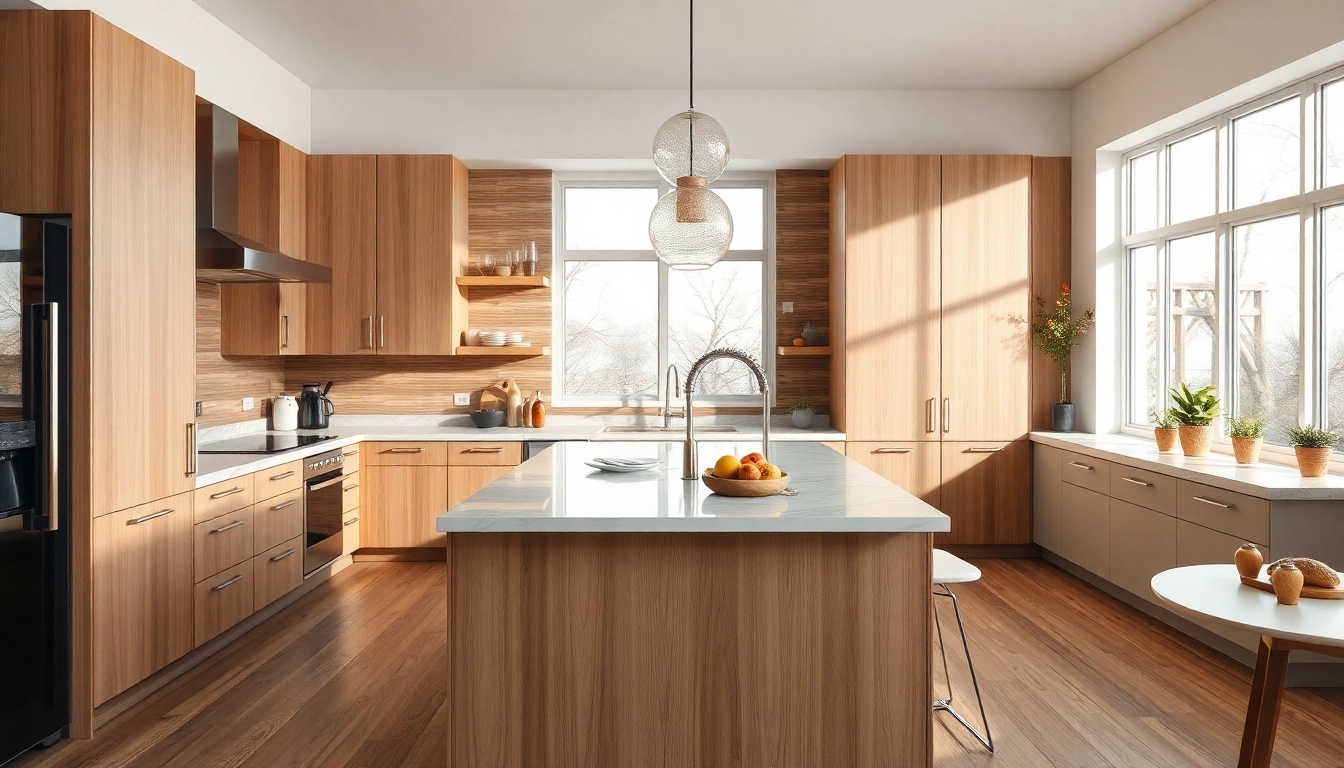
Stunning kitchen remodeling with modern cabinetry and an inspiring island design.

Elevate Your Home with Thoughtful Kitchen Remodeling Ideas

Understanding the Basics of Kitchen Remodeling

What is Kitchen Remodeling?

Kitchen remodeling refers to the process of changing or updating the design and functionality of a kitchen. This can range from minor renovations such as changing light fixtures and repainting cabinets to major updates such as changing the layout of the kitchen or installing new countertops and appliances. The remodeling process not only enhances the kitchen’s aesthetic appeal but also improves its functionality and energy efficiency. A well-planned kitchen remodel can increase the overall value of a home, making it an essential consideration for homeowners looking to improve their living spaces through kitchen remodeling.

Common Reasons to Remodel Your Kitchen

Homeowners choose to remodel their kitchens for various reasons. These include:

  • Improving Functionality: Many homeowners find their kitchens lack adequate space or modern amenities. A remodel can help maximize storage, create more counter space, and incorporate smart home technologies.
  • Updating Style: Styles and trends change over time. Remodeling allows homeowners to refresh the aesthetics of their kitchens, making them more contemporary and appealing.
  • Increasing Home Value: A well-executed kitchen remodel can significantly boost a home’s resale value, making it a popular choice among sellers.
  • Safety and Efficiency: Older kitchens may not meet current safety standards or may be inefficient in terms of energy use. Upgrading appliances and materials can lead to savings in energy bills.

Key Elements of Kitchen Remodeling

Key elements to consider during a kitchen renovation include:

  • Layout: The kitchen layout should prioritize workflow. Common layouts include U-shape, L-shape, and open concept designs.
  • Materials: Choose durable, high-quality materials for countertops, cabinets, and flooring that can withstand daily use.
  • Appliances: Select energy-efficient appliances that enhance functionality and save on utility costs.
  • Lighting: Adequate lighting is crucial for both aesthetics and functionality, encompassing ambient, task, and accent lighting.

Planning Your Kitchen Remodeling Project

Setting a Realistic Budget for Kitchen Remodeling

Establishing a concrete budget is one of the most important steps in the kitchen remodeling process. Homeowners should consider the following when budgeting:

  • Scope of Work: Define what aspects of the kitchen you intend to renovate, as this will significantly affect costs.
  • Contingency Funds: Set aside 10-20% of the total budget for unexpected expenses that may arise during the remodel.
  • Quality vs. Cost: Balance between quality of materials and costs. Invest in key areas while opting for budget-friendly choices in others.

Choosing the Right Layout for Your Needs

The layout of your kitchen directly influences its functionality. Consider factors such as family size, cooking habits, and entertainment needs. Here are some popular layouts:

  • Galley: Optimal for small spaces; features two walls of appliances and counters.
  • L-Shape: Offers flexible counter space and works well in corner areas.
  • U-Shape: Perfect for families, maximizing workspace and storage.
  • Open Concept: Combines the kitchen with dining and living areas, promoting social interaction.

Finding Trusted Contractors for Kitchen Remodeling

Hiring a reliable contractor is crucial for a successful kitchen remodeling project. Follow these steps to find an experienced professional:

  • Research and Referrals: Ask friends or family for recommendations. Online reviews can also provide insights into contractors’ reputations.
  • Interviews: Interview multiple contractors. Discuss previous projects and ask for references.
  • Licensed and Insured: Ensure the contractor is properly licensed and has insurance to protect against liability.

Design Inspirations for Kitchen Remodeling

Trendy Styles for Kitchen Remodeling

When choosing a style for your kitchen remodel, consider trends that resonate with your personal taste and the overall theme of your home. Some popular kitchen styles include:

  • Modern: Characterized by clean lines, minimalistic aesthetics, and sleek finishes.
  • Farmhouse: Emphasizes warmth with rustic elements like wood accents, open shelving, and simple décor.
  • Transitional: Blends traditional and contemporary styles, offering a perfect balance for eclectic tastes.
  • Industrial: Uses raw materials like metal and wood, creating an edgy, urban feel.

Color Schemes that Transform a Kitchen

The right color scheme can dramatically alter the ambiance of your kitchen. Here are some trending color ideas:

  • Bold Greens: Shades like sage or olive create a fresh and inviting space.
  • Classic White: A timeless choice that makes the kitchen feel larger and brighter.
  • Deep Blues: Rich shades can add sophistication and depth.
  • Warm Neutrals: Colors like beige or taupe add warmth without overwhelming the senses.

Incorporating Functional Accessories in Kitchen Remodeling

Incorporating functional accessories can streamline kitchen tasks and enhance the user experience. Consider these additions:

  • Pull-Out Drawers: Great for maximizing storage space and organizing pots and pans.
  • Kitchen Islands: Provide additional workspace and can be used for casual dining or socializing.
  • Smart Appliances: Invest in technology that can simplify cooking and improve energy efficiency.
  • Under-Cabinet Lighting: Enhances visibility and adds an element of style.

Executing Your Kitchen Remodeling Project

Essential Steps During Kitchen Remodeling

Once planning is complete, it’s time to put your remodeling plan into action. Follow these essential steps during execution:

  • Demolition: Carefully remove old fixtures and finishes, ensuring to protect any remaining structures.
  • Plumbing and Electrical Work: Address any necessary adjustments to plumbing and electrical systems before installing new elements.
  • Installation: Install cabinets, countertops, and appliances methodically, adhering to safety and design standards.
  • Finishing Touches: Add trim work, hardware, and accessories to complete the look of your kitchen.

Managing Time and Expectations for Kitchen Remodeling

Managing time and setting realistic expectations can help minimize stress during the remodeling process. Here are some tips:

  • Set Clear Timelines: Discuss timelines with your contractor. Delays can happen, so build in buffer time.
  • Stay in Communication: Regular updates from your contractor will keep you informed and engaged with the project.
  • Be Flexible: Understand that unexpected challenges may arise, and be prepared to adapt your plans.

Overcoming Common Challenges in Kitchen Remodeling

Many homeowners encounter challenges during kitchen remodeling. Here’s how to overcome them:

  • Budget Overruns: Allocate a contingency budget and prioritize essential updates to manage finances effectively.
  • Design Conflicts: Have a clear vision and stick to it. Consult professionals if design decisions become overwhelming.
  • Supply Delays: Order materials early to avoid delays. Research and select suppliers with reliable shipping.

Measuring the Success of Your Kitchen Remodeling

Evaluating Aesthetic Improvements After Kitchen Remodeling

Once the remodeling is completed, evaluating the aesthetic improvements is essential. Consider the following:

  • Visual Appeal: Analyze how the colors, materials, and layout work together to create an inviting space.
  • Consistency with Style: Ensure the kitchen design aligns with the overall style of your home.
  • Personal Satisfaction: Most importantly, assess whether the kitchen meets your personal tastes and lifestyle needs.

Assessing Functionality Post Kitchen Remodeling

Functionality is crucial for making your remodeled kitchen user-friendly. Consider these aspects:

  • Workflow Efficiency: Evaluate the kitchen’s workflow by assessing the distance between the sink, stove, and refrigerator.
  • Storage Accessibility: Check whether cabinets, drawers, and storage solutions are easily accessible and effectively organized.
  • Appliance Performance: Ensure new appliances are running efficiently and meeting your cooking needs.

Long-Term Benefits of Kitchen Remodeling

Successfully executed kitchen remodeling offers several long-term benefits, including:

  • Increased Home Value: A beautifully remodeled kitchen adds significant value to your property.
  • Enhanced Lifestyle: Enjoy a more functional space that meets your everyday cooking, dining, and entertaining needs.
  • Energy Efficiency: Upgrading to energy-efficient appliances and fixtures can lead to substantial savings on energy bills.

Frequently Asked Questions

What is the average cost of kitchen remodeling?

The average cost of kitchen remodeling can range significantly, typically between $15,000 to $50,000, depending on size, materials, and scope of work.

How long does a kitchen remodel take?

A kitchen remodel can take anywhere from a few weeks to several months, depending on the complexity of the project and contractor availability.

Can I remodel my kitchen on a budget?

Yes, you can remodel your kitchen on a budget by focusing on smaller updates, utilizing cost-effective materials, and doing some work yourself.

What should I prioritize in a kitchen remodel?

Prioritize layout and functionality first, followed by quality materials, bathroom fixtures, and aesthetic features that reflect your style.

Is it worth remodeling my kitchen?

Yes, kitchen remodeling is generally worth it as it enhances your home’s value and improves your cooking and dining experience.

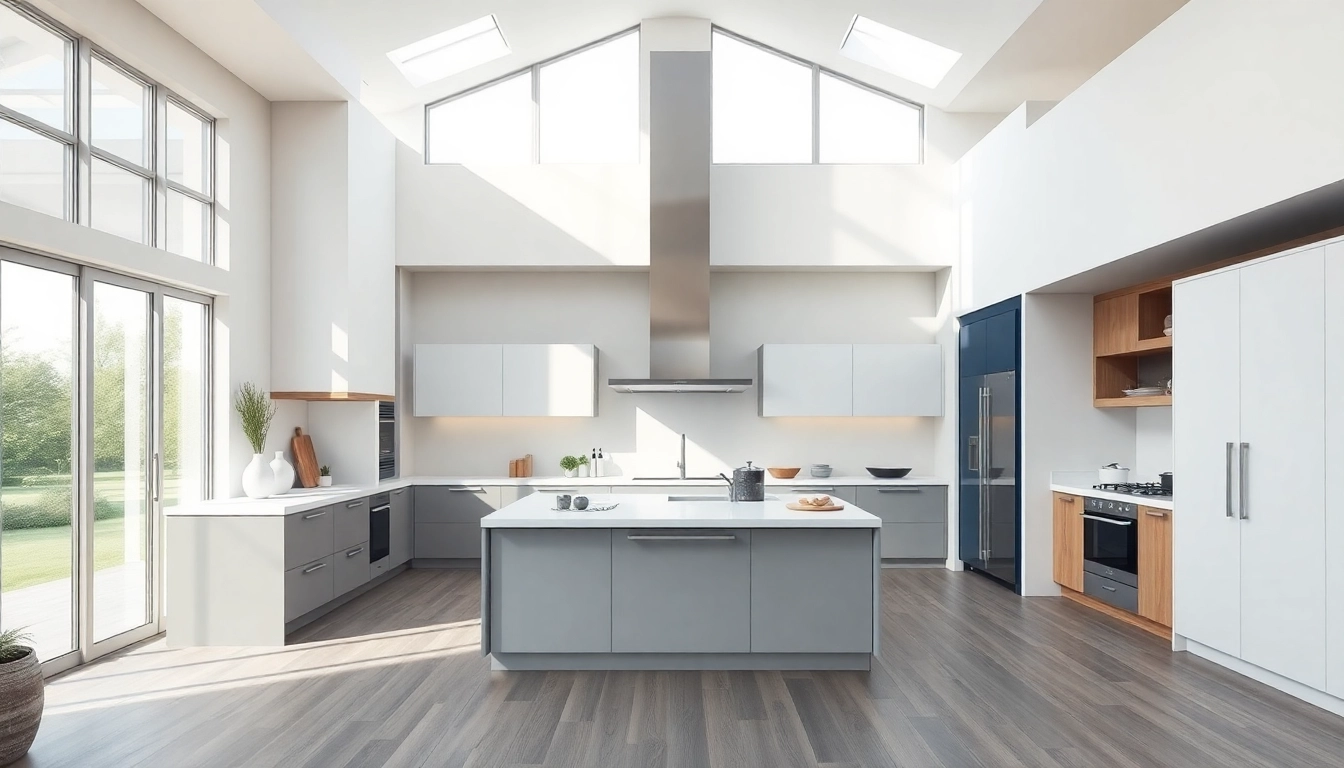
Showcase kitchen remodeling with a modern open layout and bright natural lighting.

Revamping Spaces: Insightful Tips for Kitchen Remodeling Success

Understanding the Essentials of Kitchen Remodeling

Kitchen remodeling is a significant undertaking that goes beyond mere aesthetics. It is an investment that increases the value of your home while enhancing functionality and comfort. By focusing on kitchen remodeling, homeowners can create a space that meets their needs and reflects their personality.

Key Benefits of Kitchen Remodeling

There are myriad benefits to renovating your kitchen, including:

  • Increased Home Value: A beautifully remodeled kitchen can significantly increase your home’s real estate value. It’s one of the most vital areas potential buyers look at.
  • Improved Functionality: Customized storage solutions, updated layouts, and new appliances can enhance how your kitchen operates, making meal prep more enjoyable.
  • Energy Efficiency: New appliances and fixtures often come with improved energy ratings, leading to lower utility bills.
  • Aesthetic Appeal: An updated kitchen is visually satisfying, allowing you to create an inviting environment for family and friends.
  • Enhanced Safety: Upgrading unsafe or outdated wiring, plumbing, and appliances can help prevent hazards.

Common Challenges and Solutions

While kitchen remodeling offers many rewards, it also presents several challenges:

  • Budget Overruns: Costs can escalate quickly. To mitigate this, set a strict budget and account for a contingency fund (approximately 10-15% of your overall budget).
  • Time Delays: Projects may get delayed due to unforeseen circumstances. Establish a clear timeline and maintain open communication with your contractor to stay updated.
  • Design Mistakes: Failing to plan adequately can lead to design flaws. Consult with a professional designer to create a cohesive and functional vision for your kitchen.

Planning Your Kitchen Remodeling Project

Effective planning is key to a successful remodel. Follow these steps:

  1. Establish your goals and identify the key problems with your current kitchen.
  2. Research design ideas that align with your interests and requirements.
  3. Build a project timeline that accommodates your lifestyle.
  4. Gather multiple quotes from contractors to find a reliable partner.
  5. Finalize your design plans and secure permits as necessary.

Budgeting for Your Kitchen Remodeling

Estimating Costs and Budgeting Tips

Understanding kitchen remodeling costs is crucial for effective budgeting. Here are essential elements to consider:

  • Cabinetry: This can account for 30-40% of the total kitchen remodel budget.
  • Countertops: Depending on the material, costs can vary significantly. Budget wisely according to your preferences.
  • Appliances: Consider energy-efficient options that can save you money in the long run.
  • Labor: Hiring professionals can add to the budget, so it’s essential to evaluate contractors‘ rates carefully.

One effective budgeting tip is to use a spreadsheet to track costs and compare estimates from different contractors. This will ensure that your spending stays aligned with your budget.

Finding the Right Financing Options

Financing your kitchen remodel can often be a complex process. Below are some financing options you might consider:

  • Home Equity Loan: Using the equity in your home can provide a beneficial interest rate.
  • Personal Loans: These loans can quickly fill funding gaps, though rates vary.
  • Credit Cards: Suitable for smaller projects, but beware of high-interest rates.
  • Government Incentives: Explore grants and tax credits for energy-efficient remodels.

Prioritizing Upgrades in Kitchen Remodeling

When faced with numerous possibilities, prioritizing certain upgrades can help focus your efforts. Consider:

  • Updating Appliances: They will not only improve functionality but also boost energy efficiency.
  • Improving Lighting: Good lighting can enhance the overall ambiance and kitchen usability.
  • Upgrading Cabinets: They have a significant visual impact and help maximize storage.
  • Renovating Flooring: Focus on durable and easy-to-maintain options.

Design Principles for Effective Kitchen Remodeling

Popular Layouts and Functional Zones

Efficient designs improve usability and flow. Common kitchen layouts include:

  • U-shaped: Creates a functional workspace with multiple zones.
  • L-shaped: Offers open space while separating areas for cooking, eating, and gathering.
  • Galley: A narrow design ideal for smaller spaces, maximizing efficiency.
  • Island Layout: Incorporates an island for additional workspace and socialization.

Choosing Materials That Last

Selecting high-quality, durable materials is vital for long-term satisfaction. Important material choices include:

  • Countertop Materials: Granite and quartz are strong, attractive, and resistant to stains.
  • Cabinet Materials: Solid wood cabinets are durable and offer a classic look.
  • Flooring: Tile and hardwood provide longevity and style.
  • Backsplashes: Glass or porcelain tiles are stylish and easy to clean.

Color Trends and Aesthetic Considerations

The right color scheme can breathe life into your kitchen. Trendy colors and themes to consider include:

  • Neutral Palettes: White, gray, and beige create timeless sophistication.
  • Bold Colors: Deep blues or greens can make the kitchen a statement piece.
  • Textured Finishes: Matte and satin finishes can add depth and interest to your design.
  • Mixed Materials: Combining different materials, like wood and metal, introduces a visually appealing contrast.

Selecting Contractors for Kitchen Remodeling

How to Vet Potential Contractors

Choosing the right contractor is crucial for a successful remodel. Here’s how to vet potential options:

  1. Check for proper licensing and insurance.
  2. Inspect their portfolio for previous work to see if their style aligns with your vision.
  3. Read clients‘ reviews and testimonials on reputable sites.
  4. Request references and follow up with them for insights on their experience.
  5. Verify their experience with kitchen remodeling specifically.

Questions to Ask Before Hiring

Before making a final decision, consider asking these important questions:

  • What is your estimated timeline for this project?
  • How will you handle unexpected issues or delays during the remodel?
  • What are the payment terms and schedule?
  • Can you provide a detailed written estimate of all costs?
  • Will you be supervising the project onsite?

Understanding Project Timelines

Understanding the timeline of your kitchen remodel can help you plan accordingly. Here are essential phases:

  1. Design Phase: A few weeks to finalize plans and select materials.
  2. Preparation: Clearing out the old kitchen, scheduling inspections, and obtaining permits can take one to two weeks.
  3. Construction: Depending on complexity, this could range from a few weeks to a couple of months.
  4. Final Inspection and Clean-Up: Typically completed within a week.

Measuring Success and Ensuring Longevity

Post-Remodel Maintenance Tips

To keep your newly remodeled kitchen looking fresh, implement these maintenance practices:

  • Regularly check plumbing for leaks or signs of wear.
  • Keep surfaces clean and sanitized to prevent wear.
  • Inspect appliances regularly to maintain warranty validity and performance.

Addressing Performance and Functionality

Monitor the kitchen’s performance post-remodel. Consider if:

  • The layout meets your cooking and socializing needs.
  • Storage solutions are maximizing available space effectively.
  • Appliances are functioning as expected, and adjustments may be required.

Gathering Feedback and Making Adjustments

After using the kitchen, gather feedback from family members. Assess areas that might require tweaks or enhancements. Solutions could include:

  • Changing lighting for better visibility while cooking.
  • Adding more storage if items frequently crowd surfaces.
  • Rearranging furniture to improve flow and accessibility.

Frequently Asked Questions (FAQs)

What is the average cost of a kitchen remodel?

The average cost varies greatly depending on size and finishes, ranging from $15,000 to over $50,000. Proper budgeting is crucial.

How long does a typical kitchen remodel take?

A typical remodel can take 6 to 12 weeks, depending on project size and complexity. Planning ahead can help manage this timeline.

Can I live in my home during remodeling?

Yes, but it may be inconvenient. Consider designating another cooking area and expect noise and dust disturbances during the project.

Should I hire a designer for my kitchen remodel?

Hiring a designer can provide valuable expertise in maximizing space and efficiency while keeping your design cohesive and stylish.

What are some popular kitchen styles?

Popular styles include modern, farmhouse, contemporary, and traditional. Your choice should depend on personal taste and home design.