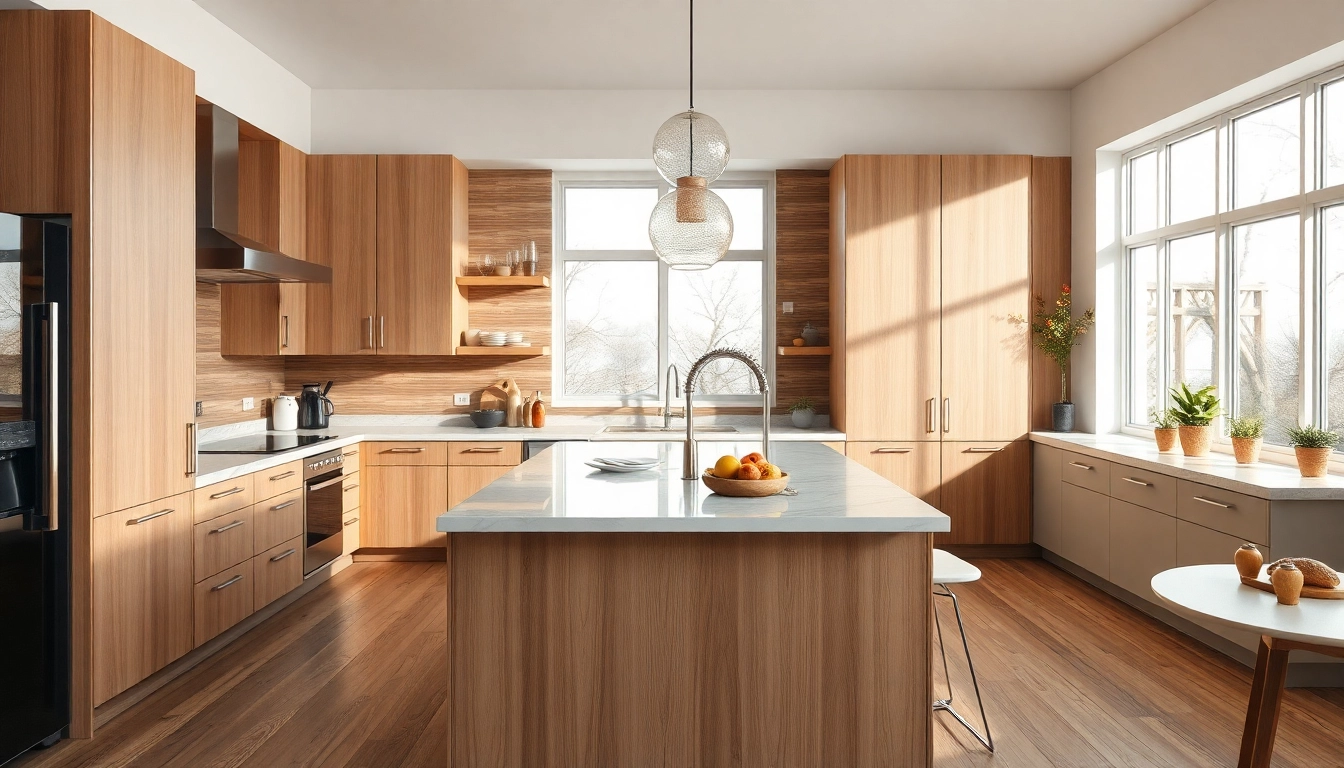
Understanding the Basics of Kitchen Remodeling
What is Kitchen Remodeling?
Kitchen remodeling refers to the process of changing or updating the design and functionality of a kitchen. This can range from minor renovations such as changing light fixtures and repainting cabinets to major updates such as changing the layout of the kitchen or installing new countertops and appliances. The remodeling process not only enhances the kitchen's aesthetic appeal but also improves its functionality and energy efficiency. A well-planned kitchen remodel can increase the overall value of a home, making it an essential consideration for homeowners looking to improve their living spaces through kitchen remodeling.
Common Reasons to Remodel Your Kitchen
Homeowners choose to remodel their kitchens for various reasons. These include:
- Improving Functionality: Many homeowners find their kitchens lack adequate space or modern amenities. A remodel can help maximize storage, create more counter space, and incorporate smart home technologies.
- Updating Style: Styles and trends change over time. Remodeling allows homeowners to refresh the aesthetics of their kitchens, making them more contemporary and appealing.
- Increasing Home Value: A well-executed kitchen remodel can significantly boost a home's resale value, making it a popular choice among sellers.
- Safety and Efficiency: Older kitchens may not meet current safety standards or may be inefficient in terms of energy use. Upgrading appliances and materials can lead to savings in energy bills.
Key Elements of Kitchen Remodeling
Key elements to consider during a kitchen renovation include:
- Layout: The kitchen layout should prioritize workflow. Common layouts include U-shape, L-shape, and open concept designs.
- Materials: Choose durable, high-quality materials for countertops, cabinets, and flooring that can withstand daily use.
- Appliances: Select energy-efficient appliances that enhance functionality and save on utility costs.
- Lighting: Adequate lighting is crucial for both aesthetics and functionality, encompassing ambient, task, and accent lighting.
Planning Your Kitchen Remodeling Project
Setting a Realistic Budget for Kitchen Remodeling
Establishing a concrete budget is one of the most important steps in the kitchen remodeling process. Homeowners should consider the following when budgeting:
- Scope of Work: Define what aspects of the kitchen you intend to renovate, as this will significantly affect costs.
- Contingency Funds: Set aside 10-20% of the total budget for unexpected expenses that may arise during the remodel.
- Quality vs. Cost: Balance between quality of materials and costs. Invest in key areas while opting for budget-friendly choices in others.
Choosing the Right Layout for Your Needs
The layout of your kitchen directly influences its functionality. Consider factors such as family size, cooking habits, and entertainment needs. Here are some popular layouts:
- Galley: Optimal for small spaces; features two walls of appliances and counters.
- L-Shape: Offers flexible counter space and works well in corner areas.
- U-Shape: Perfect for families, maximizing workspace and storage.
- Open Concept: Combines the kitchen with dining and living areas, promoting social interaction.
Finding Trusted Contractors for Kitchen Remodeling
Hiring a reliable contractor is crucial for a successful kitchen remodeling project. Follow these steps to find an experienced professional:
- Research and Referrals: Ask friends or family for recommendations. Online reviews can also provide insights into contractors’ reputations.
- Interviews: Interview multiple contractors. Discuss previous projects and ask for references.
- Licensed and Insured: Ensure the contractor is properly licensed and has insurance to protect against liability.
Design Inspirations for Kitchen Remodeling
Trendy Styles for Kitchen Remodeling
When choosing a style for your kitchen remodel, consider trends that resonate with your personal taste and the overall theme of your home. Some popular kitchen styles include:
- Modern: Characterized by clean lines, minimalistic aesthetics, and sleek finishes.
- Farmhouse: Emphasizes warmth with rustic elements like wood accents, open shelving, and simple décor.
- Transitional: Blends traditional and contemporary styles, offering a perfect balance for eclectic tastes.
- Industrial: Uses raw materials like metal and wood, creating an edgy, urban feel.
Color Schemes that Transform a Kitchen
The right color scheme can dramatically alter the ambiance of your kitchen. Here are some trending color ideas:
- Bold Greens: Shades like sage or olive create a fresh and inviting space.
- Classic White: A timeless choice that makes the kitchen feel larger and brighter.
- Deep Blues: Rich shades can add sophistication and depth.
- Warm Neutrals: Colors like beige or taupe add warmth without overwhelming the senses.
Incorporating Functional Accessories in Kitchen Remodeling
Incorporating functional accessories can streamline kitchen tasks and enhance the user experience. Consider these additions:
- Pull-Out Drawers: Great for maximizing storage space and organizing pots and pans.
- Kitchen Islands: Provide additional workspace and can be used for casual dining or socializing.
- Smart Appliances: Invest in technology that can simplify cooking and improve energy efficiency.
- Under-Cabinet Lighting: Enhances visibility and adds an element of style.
Executing Your Kitchen Remodeling Project
Essential Steps During Kitchen Remodeling
Once planning is complete, it’s time to put your remodeling plan into action. Follow these essential steps during execution:
- Demolition: Carefully remove old fixtures and finishes, ensuring to protect any remaining structures.
- Plumbing and Electrical Work: Address any necessary adjustments to plumbing and electrical systems before installing new elements.
- Installation: Install cabinets, countertops, and appliances methodically, adhering to safety and design standards.
- Finishing Touches: Add trim work, hardware, and accessories to complete the look of your kitchen.
Managing Time and Expectations for Kitchen Remodeling
Managing time and setting realistic expectations can help minimize stress during the remodeling process. Here are some tips:
- Set Clear Timelines: Discuss timelines with your contractor. Delays can happen, so build in buffer time.
- Stay in Communication: Regular updates from your contractor will keep you informed and engaged with the project.
- Be Flexible: Understand that unexpected challenges may arise, and be prepared to adapt your plans.
Overcoming Common Challenges in Kitchen Remodeling
Many homeowners encounter challenges during kitchen remodeling. Here’s how to overcome them:
- Budget Overruns: Allocate a contingency budget and prioritize essential updates to manage finances effectively.
- Design Conflicts: Have a clear vision and stick to it. Consult professionals if design decisions become overwhelming.
- Supply Delays: Order materials early to avoid delays. Research and select suppliers with reliable shipping.
Measuring the Success of Your Kitchen Remodeling
Evaluating Aesthetic Improvements After Kitchen Remodeling
Once the remodeling is completed, evaluating the aesthetic improvements is essential. Consider the following:
- Visual Appeal: Analyze how the colors, materials, and layout work together to create an inviting space.
- Consistency with Style: Ensure the kitchen design aligns with the overall style of your home.
- Personal Satisfaction: Most importantly, assess whether the kitchen meets your personal tastes and lifestyle needs.
Assessing Functionality Post Kitchen Remodeling
Functionality is crucial for making your remodeled kitchen user-friendly. Consider these aspects:
- Workflow Efficiency: Evaluate the kitchen's workflow by assessing the distance between the sink, stove, and refrigerator.
- Storage Accessibility: Check whether cabinets, drawers, and storage solutions are easily accessible and effectively organized.
- Appliance Performance: Ensure new appliances are running efficiently and meeting your cooking needs.
Long-Term Benefits of Kitchen Remodeling
Successfully executed kitchen remodeling offers several long-term benefits, including:
- Increased Home Value: A beautifully remodeled kitchen adds significant value to your property.
- Enhanced Lifestyle: Enjoy a more functional space that meets your everyday cooking, dining, and entertaining needs.
- Energy Efficiency: Upgrading to energy-efficient appliances and fixtures can lead to substantial savings on energy bills.
Frequently Asked Questions
What is the average cost of kitchen remodeling?
The average cost of kitchen remodeling can range significantly, typically between $15,000 to $50,000, depending on size, materials, and scope of work.
How long does a kitchen remodel take?
A kitchen remodel can take anywhere from a few weeks to several months, depending on the complexity of the project and contractor availability.
Can I remodel my kitchen on a budget?
Yes, you can remodel your kitchen on a budget by focusing on smaller updates, utilizing cost-effective materials, and doing some work yourself.
What should I prioritize in a kitchen remodel?
Prioritize layout and functionality first, followed by quality materials, bathroom fixtures, and aesthetic features that reflect your style.
Is it worth remodeling my kitchen?
Yes, kitchen remodeling is generally worth it as it enhances your home's value and improves your cooking and dining experience.