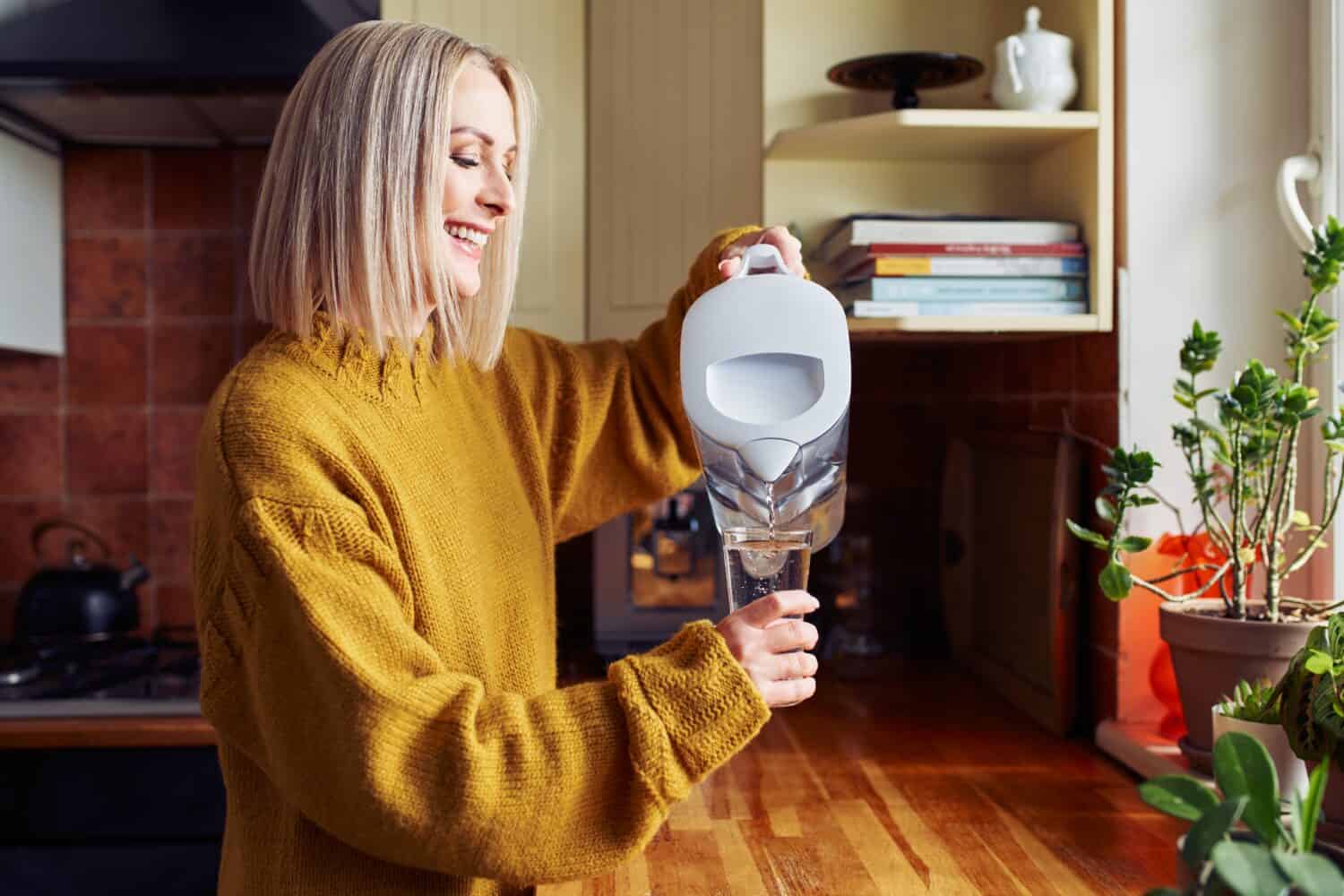
When it comes to drinking water, most of us want a filter that removes contaminants, improves taste, and is affordable. Over the past year, I’ve personally tested both Brita and Pur water filters, and the differences between them are noticeable. In this evaluation, I’ll break down everything you need to know about brita vs pur water filter systems to help you make an informed decision.
Understanding the Brita vs Pur Water Filter Debate
The Brita vs Pur water filter discussion is one of the most common questions for people seeking safe and clean tap water. Both brands are trusted in the market, but they differ in filter technology, design, and performance. Choosing the right one depends on your priorities: taste, affordability, or contaminant removal.
Brita Water Filter Overview
Brita water filters are widely recognized for their affordability and convenience. Their pitcher-style filters are easy to use and perfect for families or individuals who want a simple solution for clean water. Brita’s main focus is reducing chlorine taste and odor, which many people find makes tap water taste significantly better.
Key features of Brita filters include:
- Simple pitcher design for easy refills
- Affordable filter replacements
- Reduces chlorine, zinc, copper, and some particulates
- Available in multiple sizes and styles, including dispensers
A real-life example: I noticed a big improvement in taste when switching to a Brita filter at home. The water felt smoother, and I could finally enjoy drinking tap water without adding flavorings.
Pur Water Filter Overview
Pur water filters are known for their more advanced filtration technology. They tend to remove more contaminants, including lead, mercury, and certain pesticides. Pur filters often appeal to families with health concerns or households that want the highest filtration standards.
Key features of Pur filters include:
- Advanced carbon and ion-exchange filters
- Removes up to 99% of lead and certain heavy metals
- Sleek pitcher design with electronic filter indicators
- Available in both pitchers and faucet-mounted systems
For example, my friend used a Pur filter in her apartment, where the tap water had a slight metallic taste. After installing the Pur pitcher, the water was noticeably cleaner and safer, especially for her young children.
Comparing Brita vs Pur Water Filter Performance
When comparing Brita vs Pur water filter, performance is one of the most critical factors. Let’s break down their performance in key areas.
Taste and Odor Removal
Both Brita and Pur improve the taste and smell of tap water. Brita primarily targets chlorine taste and odor, making it ideal if you are mostly concerned with improving flavor. Pur, however, goes a step further and can reduce metallic or chemical tastes caused by lead or mercury.
Contaminant Reduction
Pur filters generally remove a wider range of contaminants than Brita. While Brita reduces chlorine, copper, and zinc, Pur tackles lead, mercury, pesticides, and more. If your tap water comes from older pipes or has known contamination issues, Pur may be the better option.
Filter Lifespan and Cost
Brita filters usually last about 40 gallons or roughly two months, while Pur filters can last up to 100 gallons, depending on usage. Brita filters are more affordable per unit, but Pur’s longer lifespan can make it more cost-effective in the long run.
Ease of Use
Both Brita and Pur pitchers are user-friendly. Brita’s simpler design makes refilling and cleaning quick and straightforward. Pur offers additional features like electronic indicators to alert you when it’s time to replace the filter, which some users find convenient.
Brita vs Pur Water Filter: Cost Comparison
Budget is a significant factor in choosing a water filter. Here’s a breakdown of costs:
- Brita: Around $7–$10 per filter with pitchers priced between $20–$40.
- Pur: Around $15–$20 per filter, with pitchers costing between $30–$50.
While Brita is cheaper upfront, Pur filters last longer, which can offset the higher initial cost over time.
Practical Examples and Real-Life Experiences
In my year of testing, I found the following:
- Brita is ideal for daily hydration and general taste improvement. My whole family preferred the smoother taste of water from a Brita pitcher.
- Pur is better for homes with older plumbing or concerns about lead. A friend who lived in a pre-1970s building relied on Pur to ensure the water was safe for her children.
Analogy: Think of Brita as a solid pair of running shoes—comfortable, reliable, and gets the job done. Pur, on the other hand, is like a performance running shoe with extra cushioning—it costs more but provides enhanced protection and efficiency.
Installation and Maintenance
Both brands are easy to set up:
- Rinse the filter according to instructions.
- Fill the pitcher with tap water.
- Wait for filtration to complete.
Maintenance mainly involves replacing the filter at recommended intervals. Brita is slightly easier because the filters are less expensive, so replacements are frequent but affordable. Pur’s longer-lasting filters reduce the frequency of replacements.
Brita vs Pur Water Filter: Pros and Cons
Brita Pros
- Affordable upfront cost
- Widely available in stores and online
- Improves taste quickly
- Simple design
Brita Cons
- Fewer contaminants removed
- Shorter filter lifespan
Pur Pros
- Removes more contaminants including lead and mercury
- Longer-lasting filters
- Electronic filter replacement indicators
- Sleek design options
Pur Cons
- Higher upfront and replacement cost
- Slightly heavier pitchers
Which One is Best Value for Money?
The best value depends on your priorities:
- Choose Brita if you want an affordable, easy-to-use water filter that improves taste and odor.
- Choose Pur if you need advanced filtration for health reasons and want a longer-lasting filter.
If you weigh the long-term cost and effectiveness, Pur often provides better value for families with specific filtration needs, while Brita is sufficient for general taste improvement.
Taste and Odor Improvements with Brita vs Pur Water Filter
How Brita Enhances Water Flavor
Using a brita vs pur water filter can significantly improve the taste of tap water. Brita filters focus on reducing chlorine taste and odor, which makes the water smoother and more enjoyable. Many households notice that after switching to a Brita pitcher, they are more likely to drink water throughout the day, thanks to the cleaner taste. Compared to Pur, Brita provides a simple and affordable solution for everyday hydration without sacrificing flavor.
Pur’s Advanced Taste Filtration
When evaluating brita vs pur water filter, Pur pitchers stand out for removing additional contaminants that affect taste, such as heavy metals and some chemicals. Users often report a fresher, cleaner taste, especially in areas with older plumbing. While slightly more expensive, Pur’s filtration ensures that the water tastes pure and safe, making it a strong contender against Brita for households concerned about both flavor and safety.
Contaminant Removal Capabilities in Brita vs Pur Water Filter
Brita’s Basic Filtration
The brita vs pur water filter comparison shows that Brita primarily reduces chlorine, copper, and zinc in tap water. While it may not remove every contaminant, it effectively enhances daily water quality for general use. Brita’s easy-to-replace filters make it a practical option for families who want decent protection without the higher cost associated with advanced filtration systems.
Pur’s Comprehensive Contaminant Removal
Pur takes the lead in contaminant removal when considering brita vs pur water filter. Pur filters remove up to 99% of lead, mercury, and other harmful metals, making them ideal for homes with health concerns or older pipes. By investing in a Pur system, users gain peace of mind, knowing their water is not only better tasting but also safer, particularly for children and elderly family members.
Conclusion
In the Brita vs Pur water filter debate, there’s no one-size-fits-all answer. Brita excels in affordability and simplicity, making it perfect for everyday water drinking. Pur, however, shines in contaminant removal, durability, and advanced features, making it ideal for health-conscious households. By understanding your priorities and evaluating performance, taste, and cost, you can select the water filter that provides the best value for your home. Go back to the homepage to explore a wide range of topics.
FAQs
What is the main difference between Brita and Pur water filters?
The main difference is that Pur filters remove a wider range of contaminants, including lead and mercury, while Brita primarily focuses on improving taste and reducing chlorine.
Which water filter is more cost-effective in the long run?
Although Brita is cheaper initially, Pur filters last longer, which can make them more cost-effective over time if you consider replacement frequency and filtration performance.
Can I use either filter for any type of tap water?
Yes, both Brita and Pur can be used with standard tap water, but Pur is recommended for water with higher levels of contaminants like lead or heavy metals.